Fall in Love with Germany Valentine’s Offer: £50 OFF on Visa!

Fall in Love with Germany Valentine’s Offer: £50 OFF on Visa!
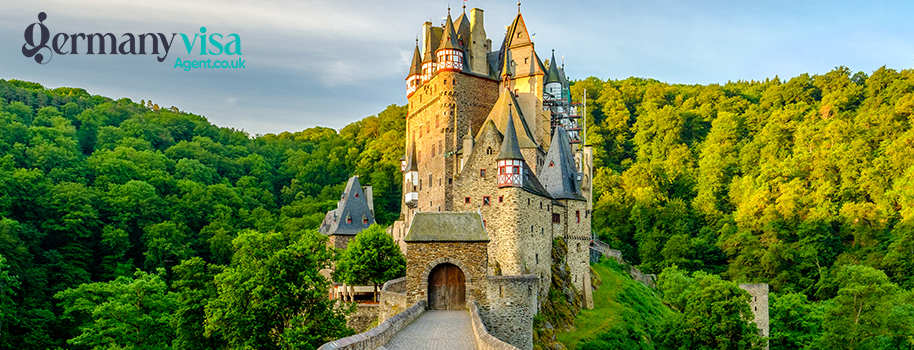
Germany ranks among the top countries globally for heritage preservation. This country is one of Europe’s most culturally rich destinations, having more than 50 UNESCO World Heritage Sites. This country offers UK travelers the opportunity to experience history, architecture, and modern life.
These Heritage sites reflect thousands of years of human civilization. Which range from Roman settlements and medieval towns to modernist architecture and natural landscapes.
If you are planning a trip to explore the cultural life of Germany, and want to know more details about these UNESCO World Heritage Sites in Germany, this guide has all the information you want. Additionally, I will be guided on where to apply for a Germany visa from the UK from a reliable and trusted visa agency.
Germany’s inclusion on the UNESCO World Heritage list highlights its role in shaping European and global history. The country’s culture is built on:
UNESCO World Heritage Sites in Germany include reconstructed cities/towns, cultural landscapes, industrial heritage, and natural ecosystems. This makes Germany a diverse destination for cultural tourism.
One of the most visited UNESCO World Heritage Sites in Germany, and is located along the beautiful Rhine River. Millions of visitors from worldwide come to Germany just to admire this Cathedral because this represents Germany’s medieval heritage at its finest.
The Cologne Cathedral stands as a symbol of faith, endurance, and architectural excellence for the German people. According to some data, this building was started to be constructed in 1248 and took 600 years to be completed. Also has a tag of one of Europe’s tallest cathedrals.
If you are an art enthusiast, then Museum Island must be on your Germany itinerary. However, this is one of the most significant UNESCO World Heritage Sites in Germany for art and history lovers. It can be easily reached and explored, because it is situated in the heart of Berlin.
The most-visited popular museums of Berlin are the Pergamon Museum, the Altes Museum, the Neues Museum, the Bode Museum, and the Alte Nationalgalerie. And this collection of museums makes Berlin a must-visit cultural city for UK travellers and worldwide visitors.
If you are planning to visit Germany to explore its innovative UNESCO sites, reconstructed medieval towns, and modern museums, then you must have to secure a Germany visa appointment from UK. Without a Schengen visa, you can not travel to this Schengen country. APPLY HERE for a guide visa application and express stress-free visa appointment.
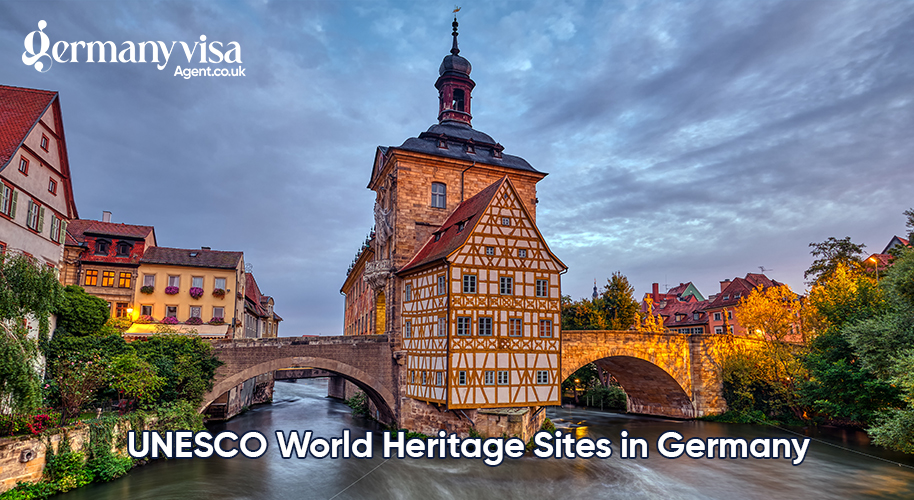
Those who have a keen interest in watching the rebuilding of art, the Old Town of Bamberg is one of the best-preserved medieval urban centers in Europe. Additionally, this stands out among UNESCO World Heritage Sites in Germany.
Why Bamberg is special:
Because it is built on seven hills, similar to Rome, its medieval street layout, including Romanesque and Gothic architecture, is famous for traditional smoked beer. All we can say is that walking through Bamberg feels like stepping back into the Middle Ages. And this walk should not be missed.
The Würzburg Residence is a masterpiece of Baroque architecture. This place has a grand staircase, including a Lavish state room and beautiful gardens. In the 18th century, this site was known as a power, wealth, and artistic vision of Europe’s royal courts. Now this landmark is counted among the beautiful UNESCO World Heritage Sites in Germany.
Germany’s influence on modern architecture is immortalized in the Bauhaus Sites of Weimar and Dessau, both recognized as UNESCO World Heritage Sites in Germany.
Why Bauhaus matters:
These sites attract architects, designers, and culture enthusiasts from around the world.
Berlin, the capital of Germany, is home to several UNESCO World Heritage Sites in Germany and represents resilience and reinvention.
Cultural highlights:
It can be said that Berlin’s cultural identity reflects Germany’s complex past and innovative future.
Hamburg’s Speicherstadt and Kontorhaus District, including the Chilehaus, are UNESCO World Heritage Sites in Germany that tell the industrial and maritime history to travellers.
Why Hamburg stands out in Germany:
Hamburg perfectly combines heritage with contemporary urban life.
Once known as the “Florence on the Elbe,” then destroyed, and now, Dresden is a symbol of cultural restoration and an artistic heritage.
Cultural attractions:
Although not all landmarks are UNESCO-listed, Dresden’s cultural landscape strongly complements Germany’s World Heritage narrative.
Among the natural UNESCO World Heritage Sites in Germany, the Wadden Sea is one of the most important ecosystems in the world.
Key facts:
This site highlights Germany’s commitment to protecting natural heritage alongside cultural treasures.
Germany actively promotes sustainable tourism across its UNESCO World Heritage Sites to encourage visitors to:
If you want a balance between tourism and everyday life, then many UNESCO World Heritage Sites in Germany serve as living spaces, you can choose them.
The best time to visit UNESCO World Heritage Sites in Germany depends on your liking and the kind of experience you want.
So, each season offers a different way to experience Germany’s heritage sites according to the weather, festivals, and places.
In conclusion, the UNESCO World Heritage Sites in Germany tell stories of human achievement, creativity, and innovation. From beautiful reconstructed medieval towns and royal palaces to modernist architecture and protected natural wonders, this country offers an unforgettable cultural experience for all ages and types of UK travelers. Your Germany trip is incomplete if you do not visit all these UNESCO Sites.
Exploring all these sites offers UK travelers a unique experience in their travel diary and photo album. If you want to have this experience, as a UK resident, you have to apply for a Germany visa from UK. For an express and stress-free visa experience, you can fill out your Germany application at GERMANY VISA AGENT UK.
Germany has over 50 UNESCO World Heritage Sites. This includes cultural, natural, and mixed sites to explore for all types of travelers.
Berlin is home to multiple UNESCO-listed sites, including Museum Island and modernist housing estates. While being on a Germany trip, do not forget to visit Berlin for an unforgettable experience and a bundle of amazing pictures.
Germany has more than 50 UNESCO sites, has an architectural innovation, a lot of cultural movement, and strong preservation, which makes Germany popular among worldwide travelers.
Yes, as a UK resident, you require a Germany visa from UK to explore the country’s UNESCO World Heritage Sites legally.
 Cologne Christmas Markets 2025 EES & ETIAS Guide for UK Travelers Festival German cities for food lovers. Germany Road Trip Guide For UK Travelers Germany travel guidelines dos and don’ts Germany Travel Tips 2026 Hamburg Winter DOM 2025 New Year 2026 Germany News Places to visit in Germany in summer UNESCO World Heritage Sites in Germany Visa Service
Yes. To get the Schengen visa successfully, it is necessary to submit the original documents alongside the photocopies. Also, you need to be physically present at the centre to get them verified, as the processing also includes biometric registration.
Appointment booking can be daunting, but you can still get your Germany visa appointment booked quickly – especially during the peak season and when you find getting slots a tough task. Simply get it done with us!
APPLY ONLINE and get your appointment booked with us! Feel confused? Contact us now!